
Text taken from the club newsletter.
THE RIME OF HARRY THE ANCIENT MARINER ...and of Gareth the Scot, First Mate Bob, and their Epic Quest for the Holy Grail, the elusive Buoy of Green1. by HARRY SMITH with ELIZABETH CLARIDGE and GARETH GRETTON
[Best read aloud in a strrrong Scottish aaaccent!]
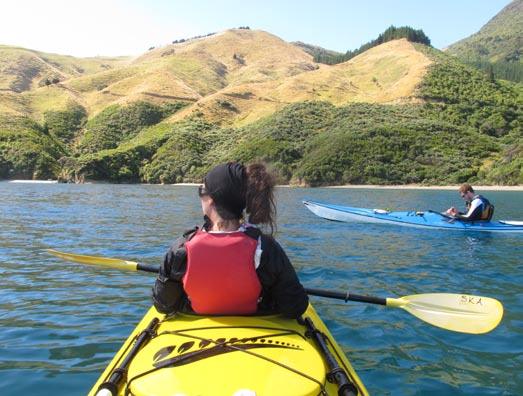
This is the story of Gareth the Scot and his merry pirate crew, through Pelorus Sound in a kayak bound for a beautiful bay or two.
In the year Two Thousand and Ten and Four, on a bright Waitangi Day, they packed their craft, both forward and aft, and prepared to paddle away.
They packed their craft, both forward and aft, with goodies quite a few – and now it’s time in this fair rime to introduce the crew.
One was an Ancient Mariner and he satteth, one of three, down in his boat, on waves afloat, and said “my name’s Harry”.
And up in front the First Mate toiled, no slacking on the job. Elizabeth Claridge was her name, “but you can call me Bob”.
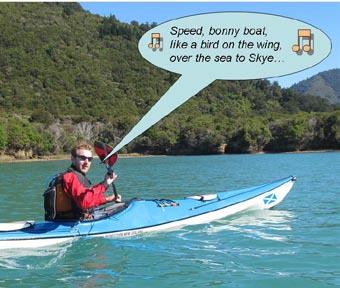
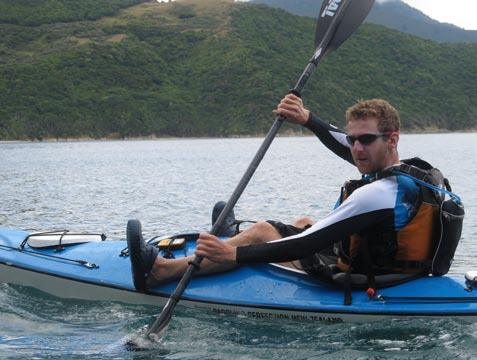
And out ahead in his own boat, with a map their course to plot, was their leader, Gareth Gretton, also known as Captain Scot.
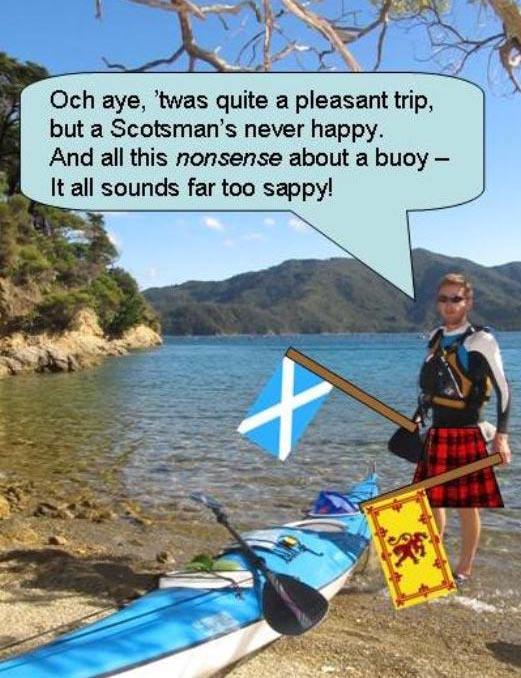
Our Glorious Leader, Captain Scot
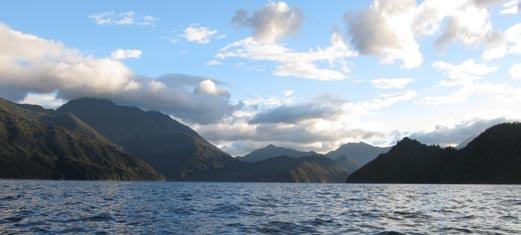
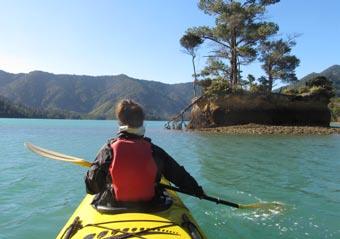
“Och, Laddie,” quoth our Captain Scot, “we’ll sail the seas like yon wee yacht, and see the Sounds stretch on for miles – ’twill be just like the Scottish Isles!”
And see the Sounds stretch on for miles
“Och, Lassie,” did continue he, “we’ll bob and toss on many a sea, and when we come ashore we’ll bag us a ’tater stew or tasty haggis!”
“Och aye, ’twill be a bonny trip, past yon wee isles and lochs we’ll slip, ’neath rugged hillsides rising high, just like the Cuillin Hills of Skye.”
’twill be a bonny trip…
They started off in Mahau Sound, a few miles out from Havelock Town, and entered the Hikapu Reach, and stopped for lunch at Pipi Beach.
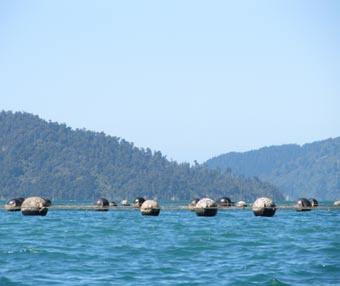
Then paddled into Nydia Bay and past vast mussel farms. Down lines of floats they steered their boats and into sheltered calms.
Down lines of floats they steered their boats with ever-onward motion. Along the lanes of tethered chains, like racetracks in the ocean.
Down lines of floats they steered their boats
But now our Ancient Mariner a curious fact did glean: The buoys all came in various hues, in reds and blacks and browns and blues, but none of them were green!
“The buoys are black or pink or red, or colours in-between. The buoys are orange, blue, or white, but never are they green!”
“A buoy of green, a watery sheen, is very hard to spot! A buoy of green, if such be seen, will never be forgot!”
And thus began an epic quest, our kayak crew would never rest, from North to South, from East to West, a search of every place marine – would they, could they, ever find, above, below, ahead, behind, a buoy of colour green?
The buoys were never green!
They camped that night in Nydia Bay at a pleasant DOC campground. Then cruised along the shore next day back out into the Sound.
And here they passed more mussel farms with buoys of every colour. There were some bright and shiny ones and some that were much duller.
“The buoys are black or pink or red, or colours in-between. The buoys are orange, blue, or white, but never are they green!”
“A buoy of green has ne’er been seen upon the sea or ocean! A buoy of green will ne’er be seen while spins this world in motion!”
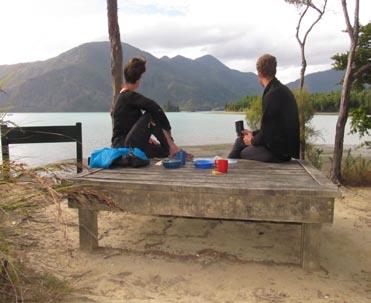
They camped that night in Nydia Bay
They stopped for lunch at Jacobs Bay, a campsite green and mossy. A stranger’s kayak came ashore – Good Lord, it’s Jenny Cossey!
Then onwards into North-West Bay and then a barren shore, and out along a snaking point round which the wind would roar.
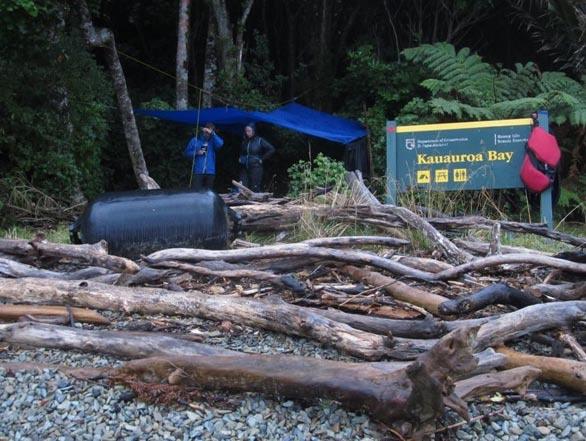
And across Tawhitinui Reach and into Kauauroa Bay, to haul ashore on a shingly beach to end a long and drizzly day.
And here they camped like castaways amongst the driftwood piles, beside a secret waterfall, with no-one ’round for miles.
And here they camped like castaways, amongst the driftwood piles
“Och aye,” did quoth our Captain Scot, “I like this little bay a lot! And now I’ll just unpack my gear and leave it scattered everywhere!”
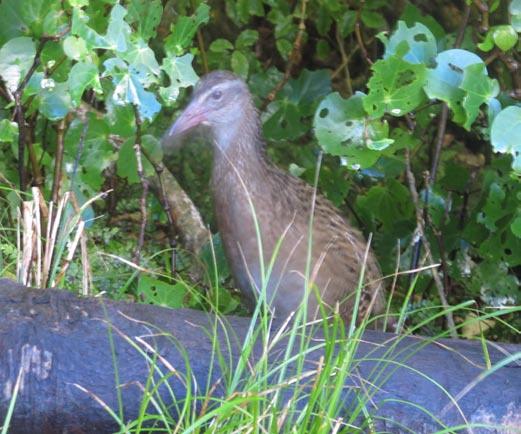
But he soon found they’d company; it was a lurking weka. It raced off with the Scotsman’s spoon clasped in its thieving pecker!
His spoon, his knife, his woolly hat – the weka soon disposed of that! And everything the Scot put down was sure to vanish from the ground!
It stole a heap of shiny things, whatever it could forage. And then there came the ultimate crime: it stole the Scotsman’s porridge!
Now, the Scottish are phlegmatic race; they take things in their stride. But to steal a Scotsman’s porridge is to dent a Scotsman’s pride!
And he averred he’d slay the bird that stole his breakfast victuals. And he averred he’d stew the bird with ceremonial rituals!
He chased the bird and cursed the bird and wished it early death, like the Witches in the “Scottish Play”, the one they call MacB. (’Tis seven years bad luck on ye if ye said the word “MacB”!!)
“Beware the Weka Bird!” he cried. “The bird doth steal! The bird doth snatch! Beware this wascally bird, and put your things back in the hatch!”
“God save us, Ancient Mariner, from the fiend that plagues us so! The bloody crow! Had I crossbow I’d shoot the so-and-so!”
It was a lurking weka
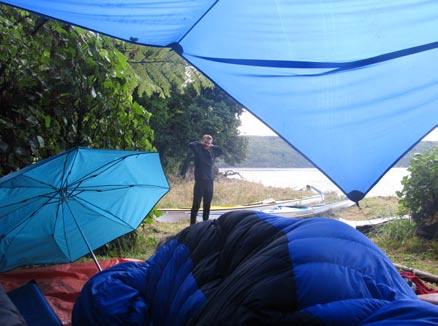
That night they slept beneath the fly, they thought that it would keep them dry – in this they were mistaken. In the dead of night, at 2 a.m., the heavens opened up on them and they were rudely wakened.
The rain did fall, the rain did pour the rain did bucket down. The *$%#$@# fly leaked like a sieve and they were nearly drowned!
Then brave Sir Harry ventured out and round the kayaks he did scout, and fetched the oars to use as tools to prop the fly and drain the pools.
And thus Sir Harry saved the day (or should that be the night?) For they were able to sleep again until the morning light.
The *$%#$@# fly leaked like a sieve!
Then out to sea they sailed again and found more mussel farms, and yet more floating buoys amongst the briney ocean balms.
The buoys were black, the buoys were blue, the buoys were red and orange. The buoys were found in every hue, unlike a Scotsman’s porringe! (Apologies for that silly line but nothing rhymes with orange!)
The Isle of Maud was their next stop across the vast sea’s vim – the home of three-eyed reptiles and frogs that cannot swim.
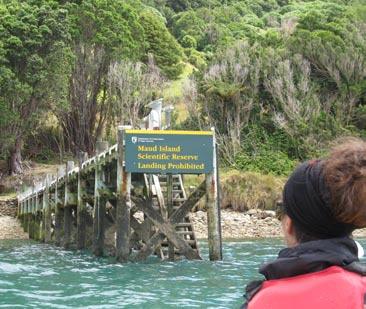
They cruised along the island’s coast, along its Northern shore, and hove to in a sheltered bay – to land was against the law.
To land was against the law
And in this happy, restful spot the tabloids would hit pay-dirt. A famous mystery was resolved when the Scot removed his spray-skirt!
What is it that a Scotsman wears beneath his kilt and sporran? What is it that a Scotsman wears beneath his dress so foreign?
What is it that a Scotsman wears under that twilly tartan? What is it that a Scotsman wears – is it a little spartan?
What is it that a Scotsman wears beneath his frock so frilly? What is it that a Scotsman wears – could it be a little chilly?
What is it that a Scotsman wears beneath his chequered kilt? Alas! Alack! My lips are sealed! The beans will not be spilt!2
What does a Scotsman wear under his spray-skirt?!
They quickly scurried to escape this ghastly mental vision, and stopped for lunch in Waiona Bay – an excellent decision!
For ’twas a deep and peaceful cove with sunny beach and sheltering grove of ancient macrocarpa trees – a safe retreat from stormy seas.
Then ’round more coastlines to the West and into Fitzroy Bay (though time was getting on by now – ’twas late into the day). And once more they found mussel farms and buoys in vast array.
A cute wee hut - a perfect hideaway
The buoys were black, the buoys were blue, the buoys were red and orange. The buoys were found in every hue – unlike a Scotsman’s sporrange! (Regrets profound! I’ve still not found a word that rhymes with orange!)
They battled round in heavy seas – this stretch took all their might! Then, weary, turned to Tawa Bay, their campsite for the night.
By this stage it was getting late – the watchman said ’twas nearly eight! – for they had come full many a league and had begun to feel fatigued! And when upon the beach they parked, the sun was down, ’twas nearly dark!3
By this stage it was getting late...
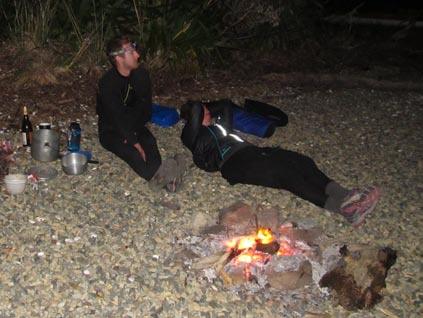
They stepped ashore, they set up camp; they donned warm clothes, took off the damp. They hauled their boats above tide’s reach; they made a fire upon the beach. They boiled the billy, they poured the wine; they could relax now – life felt fine.
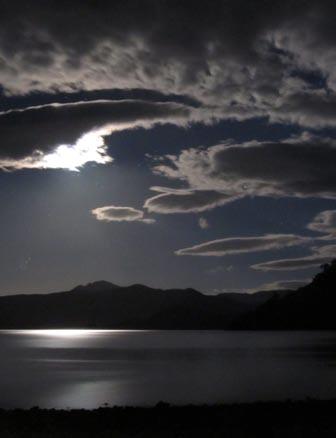
Fire, fire, burning bright, late into the starry night. The bay was bathed in soft moonlight – it was a peaceful, placid sight.
Fire, fire, burning bright, in the quiet of the night; What immortal hand or eye could form this moonlight in the sky?4
The bay was bathed in soft moonlight
When they awoke the morrow morn It was their final day; their goal was Tennyson Inlet and the wharf at Duncan Bay.
(Now Duncan is a Scottish name5 and it is very pretty; what better place could there be found to end this trip and ditty?)
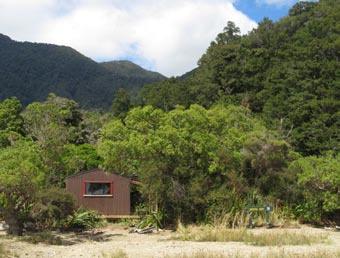
They paddled out around the isles and into Matai Bay, and stopped off at a cute wee hut – a perfect hideaway!
A cute wee hut - a perfect hideaway
And then they faced their final hurdle, enough to make their red blood curdle! Out of a bay a gale was spilling with scary seas both rough and thrilling! To cross it was a big, big ask – but they were equal to the task!
They crossed it with a ferry glide, relieved to reach the other side, into the shelter of the hills, without sustaining any spills!
Then onward into Duncan Bay, the last stop of their trip. Beneath the bush-clad hills they cruised, and into port they slipped.
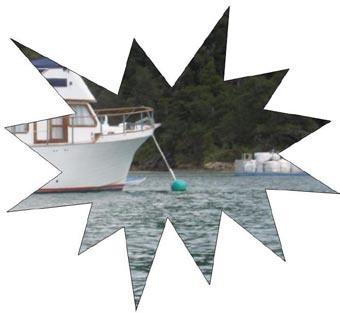
And here were anchored many a boat, a fleet of rich men’s toys. And wherever there are fleets of boats, why, there are also buoys…
The buoys were black, the buoys were blue, the buoys were red and orange. The buoys were found in every hue, like a thing that rhymes with orange! But however hard they looked, and keen, there was still no sign of a buoy of green!
“The buoys are black or pink or red, or colours in-between. The buoys are orange, blue, or white, but never are they green!”
“The buoys are tulip, topaz, tan; they’re scarlet, saffron, cerise, cyan. The buoys are charcoal, chestnut, cherry; they’re sulphur, salmon, or strawberry.”
“The buoys are purple, plum, or prune, or even tangerine. They’re coral, cobalt, copper, chrome, but never are they green!”
“A buoy of green has ne’er been seen in any state or nation! A buoy of green will ne’er be seen in any situation!”
Then to their right they saw a sight, the best they’d ever seen! At the bow of a boat they spied a float, and the colour of it was --- GREEN!!!
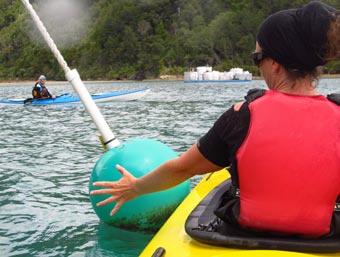
They touched it like a Holy Relic It was a buoy - and it was green!
Oh, they could scarce believe their eyes! The Holy Grail! The quest! The prize! The greatest sight they’d ever seen! The long-sought buoy – a buoy of green!
They shuddered to a stop and stared at yon bright wondrous buoy. O frabjous day! Callooh! Callay! They chortled in their joy!
They changed their course, they raced across, They almost feared it would get lost! They touched it like a Holy Relic – like a little morsel of Tom Selleck!
(OK, OK! But it’s hard at times to find a simile that rhymes! “Belic”? “Melic”? “Pelic”? “Nelic”? Nothing seems to rhyme with “Relic”! But we’ll try again, we’ll do Take Two, and see this time what we can do…)
They changed their course, they raced across, they almost feared it would get lost! They touched it like a Holy Relic with beaming smiles and eyes angelic! (Ta-dah!)
They pumped their fists into the air, and tore out chunks of their own hair! And sobbed and wept with tears of joy, to see at last a true green buoy!
Then round the buoy they circled thrice with outstretched hand and lowered head, for they on honey-dew had fed and drunk the milk of paradise.6
And now our happy, happy crew could come ashore – their quest was through. And don dry clothes and load the van, and bask in glory, to a man. (Or to a woman, if you’re Bob – to write gender-neutrally is a tricky job!)
Their odyssey was now complete – it was a trip could not be beat! And they had had an awesome time – it was a journey most sublime!
For in the course of four grand days they’d explored many coves and bays, and undertaken many a crossing with heavy seas and rough waves tossing.
And navigated through the shallows, around the rocks and through the narrows. (And scraped the bottom once or twice, but don’t you tell now, if you’re nice!)
They’d navigated through the shallows
And paddled under many a pier, to see if they could squeeze through there! (Just for the fun, just for a dare!)
And eaten oysters from the rocks, and watched the seabirds fly in flocks, and looked at trees with nesting shags, and lofty peaks lost in the clag.
And beguiling sirens on the beach, alluring you within their reach with ambrosial nectar in golden cup (OK, I made that last bit up! But all the rest is strictly true – would I ever lie to you?)
And cosy campsites (in the main, but not the one with the #*%&$ rain!) And blazing campfires in the night, with glowing embers, warm and bright (though to dodge the smoke took all their might!)
Glowing embers, warm and bright
Yes, Harry, Bob, and Captain Scot had all enjoyed the trip a lot! But best of all – the final sheen – they’d finally found a BUOY OF GREEN!
-- The End --
Footnotes 1 With apologies to Samuel Taylor Coleridge, Lewis Carroll, William Blake, and William Shakespeare7
2 Shorts, actually
3 I’m afraid to say they’d been delayed with their kayak packing. In getting away at the start of the day there’d been far too much faffing!!
4 Well, actually, of course, it’s simply sunlight reflected off the moon and shining through clouds – but this is a poem, not a science textbook.
5 Most famously in the “Scottish Play”, the one they call MacB. (That’s another seven years bad luck if ye said the word “MacB”!)
6 But was there a snake in paradise? Maybe the buoy was a Boojum, you see…
7 The author of the “Scottish Play”, the one they call MacBeth. (Oh Damn! I said it!)
Comments
Comments are not open yet.